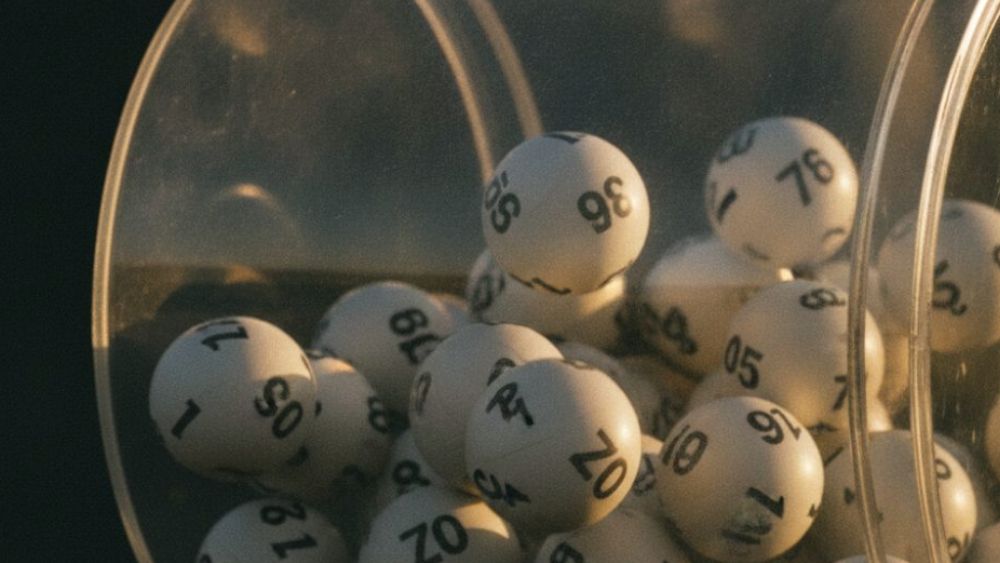
Why PCSO Lotto and Sportsbook Odds Are Not the Same Beast
Every time you buy a PCSO Lotto ticket, you're getting a fixed prize structure set by the Philippine Charity Sweepstakes Office. Every time you place a bet on a sportsbook, you're getting a moving number set by a risk manager who's staring at a screen full of cash. That's the fundamental difference — one is a government-run game of chance with a published payout table, the other is a private market where the price itself is the product.
In 2026, this contrast has become sharper. PCSO's major games like Ultra Lotto 6/58 and Grand Lotto 6/55 still offer jackpot prizes that are determined by ticket sales and the pari-mutuel pool — if more people play, the jackpot grows, but your individual odds stay fixed at roughly 1 in 40 million. Sportsbooks, meanwhile, adjust their odds by the second based on injuries, weather, and where the money is flowing.
So why should a Filipino lotto player care about how sportsbooks set odds? Because understanding the mechanics of pricing teaches you something valuable: every betting product has a built-in margin, and knowing where it hides helps you make smarter choices about where to put your money. Whether you're comparing a PCSO draw to an online casino game or weighing a sports bet against a lotto ticket, the math of the house edge is always in play.
The Starting Point: How Sportsbooks Build a Market from Scratch
When a sportsbook opens a market — say, a PBA Commissioner's Cup game in 2026 or an NBA matchup — the first thing its traders do is estimate the true probability of each outcome. They don't pull numbers out of thin air. They lean on a mix of historical data, advanced metrics, and their own models.
For a simple two-way market like a basketball moneyline, the trader might decide that Team A has a 60% chance of winning and Team B has a 40% chance. If they were running a charity, they'd set odds of +66.7 for Team A and +150 for Team B (decimal 1.667 and 2.50). But sportsbooks are not charities. They add a margin — often called the vig or the juice — to ensure they profit regardless of the outcome.
Instead of offering fair odds, they might set Team A at -110 and Team B at -110. In decimal terms, that's 1.909 for both sides. The implied probability of each side is about 52.4%, and when you add them up you get 104.8%. That extra 4.8% is the sportsbook's theoretical hold. It means that if they take equal action on both sides, they pay out 100 units for every 104.8 units they collect — a guaranteed profit margin of roughly 4.6%.
This is the first big lesson for lotto players: sportsbooks don't try to predict the winner. They try to balance their book so that the margin does the work. PCSO, by contrast, doesn't need to balance anything. The prize pool is simply a percentage of sales, and the odds are locked in by the game's format.
The Margin Game: Why Sportsbook Odds Never Add Up to 100%
If you've ever looked at a sportsbook's odds and thought, "These percentages don't make sense," you're right. They're not supposed to. The overround — the sum of implied probabilities — is almost always above 100%. That's how the bookmaker stays in business.
Here's a concrete comparison for a hypothetical 2026 PBA game:
- Fair odds (no margin): Team A 60% → 1.667, Team B 40% → 2.50. Total implied probability = 100%.
- Sportsbook odds (with margin): Team A 1.588, Team B 2.35. Implied probabilities: 63.0% + 42.6% = 105.6%. The extra 5.6% is the book's edge.
That 5.6% might not sound like much, but over hundreds of bets it's the difference between a recreational punter and a profitable one. Sharp bettors hunt for books with lower margins — some Asian handicaps run as low as 2% to 3% — while recreational bettors often don't notice the difference.
Now compare that to PCSO Lotto. The "margin" is baked into the prize structure. For a 6/58 game, the jackpot is typically around 50% of the sales for that draw, with the rest going to smaller prizes, operating costs, and charity. The odds of hitting the jackpot are 1 in 40,475,358, and no amount of line shopping will change that. The house edge is fixed and transparent — it's written into the game's mechanics.
"In sports betting, the odds are a conversation. In lotto, the odds are a commandment."
That's not to say one is better than the other. They're different products with different risk profiles. But if you understand the margin, you can at least make an informed decision about which one fits your bankroll and your appetite for variance.
Sharp Money vs. Public Money: The Tug-of-War That Moves Lines
Once a sportsbook opens a market, the line starts to move. And the movement is driven by two very different forces: sharp money and public money.
Sharp money comes from professional bettors — the kind of people who have models, databases, and a track record of beating the closing line. When a sharp bettor hits a stale number, the sportsbook's risk manager takes notice. They'll adjust the line immediately, sometimes by a full point or more, to discourage further action on that side. The goal is not to win that particular bet but to correct the price to reflect the true probability.
Public money, on the other hand, comes from casual bettors — the majority of the market. Public money tends to favor favorites, big names, and overs. If a sportsbook takes a huge influx of public money on the Lakers or the Gin Kings, they might move the line to balance their exposure, but they'll also happily keep the margin if they believe the public is on the wrong side.
The interplay between these two forces is what makes line movement so fascinating. A line might open at -3, get bet down to -2 by sharps, then get bet back up to -4 by the public. Each move tells a story about who's betting and what they believe.
For lotto players, there's no equivalent. You can't "bet into" a PCSO draw and move the odds. The numbers are fixed. But you can apply the same logic to how you choose your numbers: if you're picking the same combinations as everyone else, you're essentially taking public money — and if you win, you'll share the jackpot with more people. Choosing less popular numbers is the lotto equivalent of being a sharp.
The Role of Algorithms and Data in 2026 Sportsbook Pricing
In 2026, sportsbook pricing is more automated than ever. Traders still exist, but they're increasingly supported by algorithms that ingest thousands of data points per second. These systems pull in everything from player tracking data to social media sentiment, and they can adjust odds in real time.
For a Philippine audience, this matters because the sports you bet on — PBA, UAAP, MPBL, and international leagues like the NBA and English Premier League — are all covered by these algorithms. A sudden injury report, a change in starting lineups, or even a weather forecast can trigger an automatic adjustment before a human trader even blinks.
But algorithms aren't infallible. They can overreact to noise, and they can create opportunities for sharp bettors who spot mispricings. That's why some sportsbooks still employ veteran traders to override the machines when necessary. The best books combine algorithmic speed with human judgment.
PCSO lotto, by contrast, is entirely mechanical. The draw is random, the odds are fixed, and no algorithm can change the probability of a ball coming out of the machine. That's the beauty of lotto — it's pure chance, unadulterated by market forces. But it also means there's no edge to be found, only luck.
Comparing House Edges: Sportsbook vs. PCSO Lotto vs. Casino Games
Let's put the numbers side by side. The table below shows the typical house edge for different betting products available to Filipinos in 2026:
- Sportsbook (NBA moneyline): 4% to 5%
- Sportsbook (PBA spreads): 3% to 6%
- PCSO Lotto 6/58: ~50% (prize pool as percentage of sales)
- PCSO Lotto 6/42: ~55%
- Online slots: 2% to 10%
- Casino blackjack (basic strategy): 0.5% to 1%
Wait — why is the lotto house edge so high? Because the jackpot is enormous. The trade-off is that you're paying for the dream of a life-changing payout. Sportsbooks offer lower margins but smaller, more frequent payouts. Casino games offer the lowest margins but require skill and discipline to exploit.
The key takeaway is that house edge is not the only factor. You also have to consider variance, entertainment value, and your own goals. A lotto ticket is a lottery ticket — you're buying a chance at a windfall. A sports bet is a wager on an event you can analyze. Neither is inherently better, but they serve different purposes.
What Filipino Bettors Can Learn from Sportsbook Pricing
Even if you never place a sports bet, understanding how sportsbooks set odds can make you a smarter lotto player. Here are a few practical lessons:
- Shop for value. Just as sharp bettors compare lines across sportsbooks, you can compare lotto games. Some PCSO games have better prize structures than others. For example, the 6/42 Lotto often has a higher percentage of sales returned as prizes than the 6/58 Ultra Lotto.
- Avoid the crowd. In sports betting, following the public usually leads to bad odds. In lotto, picking popular numbers — like 1-2-3-4-5-6 or birthdays — means you'll share the jackpot if you win. Choose less common combinations to maximize your potential payout.
- Understand the margin. Every betting product has a built-in edge for the operator. Know what it is, and don't expect to beat it consistently. The house always wins in the long run — your job is to manage your bankroll and enjoy the game responsibly.
- Track your bets. Sports bettors use spreadsheets and apps to monitor their performance. Lotto players can do the same. Record your tickets, your numbers, and your results. It won't change the odds, but it will give you a realistic picture of your spending.
These aren't revolutionary insights, but they're the kind of practical wisdom that separates informed bettors from impulsive ones. And in a market where both PCSO and sportsbooks are competing for your peso, being informed is your best defense.
The Bottom Line: Two Markets, One Goal — Your Money
Sportsbooks and PCSO Lotto operate on opposite ends of the betting spectrum. Sportsbooks set odds dynamically, balancing risk and reward in a never-ending auction. PCSO sets odds by statute, offering a fixed chance at a massive payout. Both are designed to make money for the operator, and both rely on the same fundamental truth: the house has an edge.
As a Filipino bettor in 2026, you have more choices than ever. You can bet on the PBA, the NBA, or the next Ultra Lotto draw. You can play online casino games or buy a scratch card. The important thing is to understand what you're buying. A sports bet is a wager on an uncertain event with a relatively small margin. A lotto ticket is a lottery ticket — a dream with a very high house edge.
Neither is wrong. But if you know how the odds are set, you can make better decisions about where to spend your entertainment budget. And that's the real edge — not beating the bookmaker, but beating your own impulses.
So the next time you see a sportsbook line move or a PCSO jackpot climb, you'll know exactly what's happening behind the scenes. The numbers aren't random. They're calculated. And now you're in on the calculation.